
1:1 Animal Assisted Child Led Play Therapy
Offered in environments where children feel most comfortable and supported. Sessions can take place in our Frankston clinic, or out in the community, at schools, daycares, kinders, or within the home.

Clinic‑Based and Community‑Based Sessions
Our approach is grounded in Child‑Centred Play Therapy and counselling principles. Children lead the pace and direction of sessions, while the therapist provides attuned support, emotional safety, and therapeutic guidance. Our certified therapy dogs and therapy rabbit enhance this process by offering co‑regulation, connection, and a calming presence.
What Is Animal‑Assisted Child‑Led Play Therapy?
Child‑Led Play Therapy allows children to express themselves, process experiences, and build skills through play, their natural language. The therapist follows the child’s cues, supports emotional expression, and introduces therapeutic strategies when the child is ready. Therapy animals are thoughtfully integrated into sessions to support:
- Emotional safety
- Regulation and grounding
- Engagement and motivation
- Connection and trust
Interactions with the animals are always optional and guided by the child’s comfort and consent.
Key Objectives of Animal Assisted Therapy

Emotional Support
The therapist helps the child manage anxiety, stress, or emotional challenges by using the calming presence of a therapy animal to support co‑regulation and emotional expression.
Social Skills Development
Through play and gentle interaction with the therapy animal, children practise communication, turn‑taking, boundaries, empathy, and teamwork – skills that transfer into peer and family relationships.

Coping Strategies
The therapist introduces emotional regulation and coping techniques, using the therapy animal as a grounding focal point to help the child learn and apply these skills.
A Collaborative Approach
School Staff Engagement
When sessions occur in school settings, the therapist collaborates with teachers and wellbeing staff to ensure consistency, reinforce strategies, and support the child’s development across environments.
Parental Involvement
Parents and caregivers receive regular updates, strategies, and opportunities to reflect on progress. This helps reinforce therapeutic skills at home and strengthens the child’s support network.

Play turns out to be so stunningly essential to childhood; it’s like love, sunshine, and broccoli all juiced together.
– Lenore Skenazy
The Process: How Therapy is Delivered
Step 1
Initial Assessment
A consultation with parents and guardians helps the therapist understand the child’s needs, strengths, and goals. A tailored support plan is developed to guide the therapeutic process.
Step 2
Structured Sessions
Weekly sessions take place in a comfortable, predictable environment, a clinic or a community. Where the child can engage in child‑led play supported by a therapy animal.
Step 3
Play Activities
Play activities that help children communicate their inner world, practise new skills, and build confidence in a way that feels safe, engaging, and meaningful.
Step 4
Reflection and Feedback
The therapist supports the child to reflect on their feelings and experiences through play. Regular consultations with parents, guardians, or teachers ensure alignment, progress monitoring, and shared strategies.
Discover the Benefits
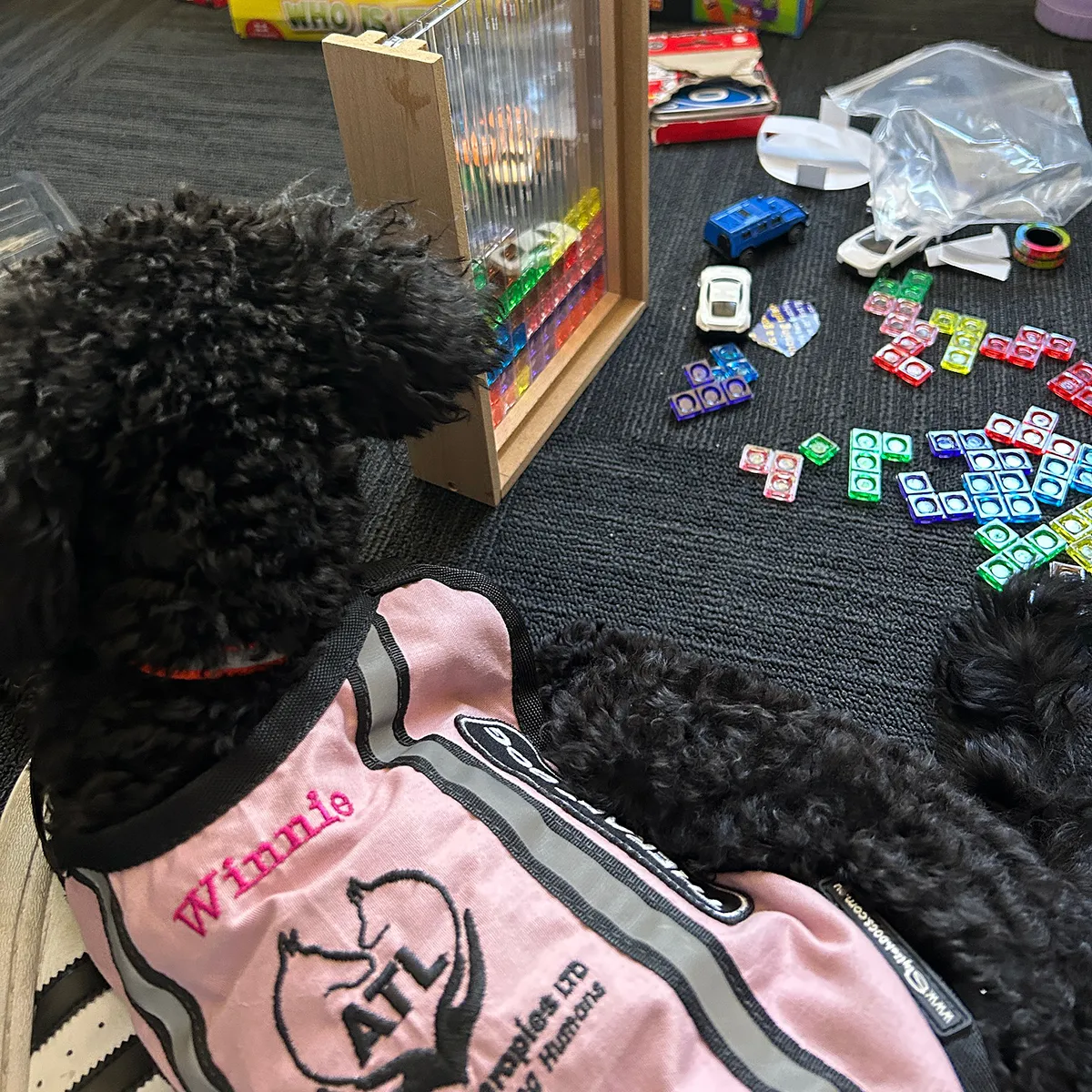
Increased Engagement
The presence of a therapy animal often enhances motivation, participation, and willingness to explore emotions or challenges.
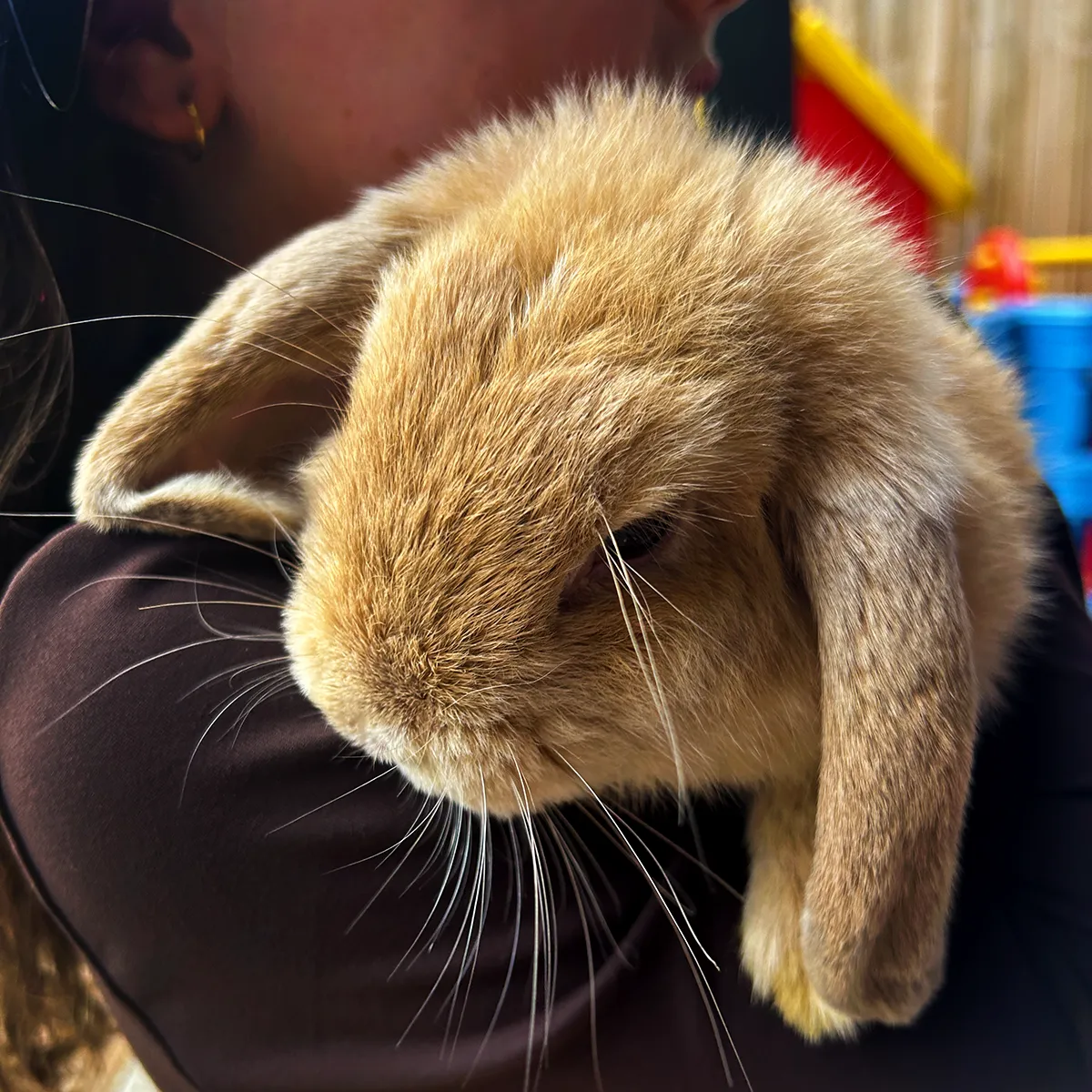
Improved Relationships
Therapy supports stronger relationships with peers, adults, and family members by building communication, empathy, and social confidence.
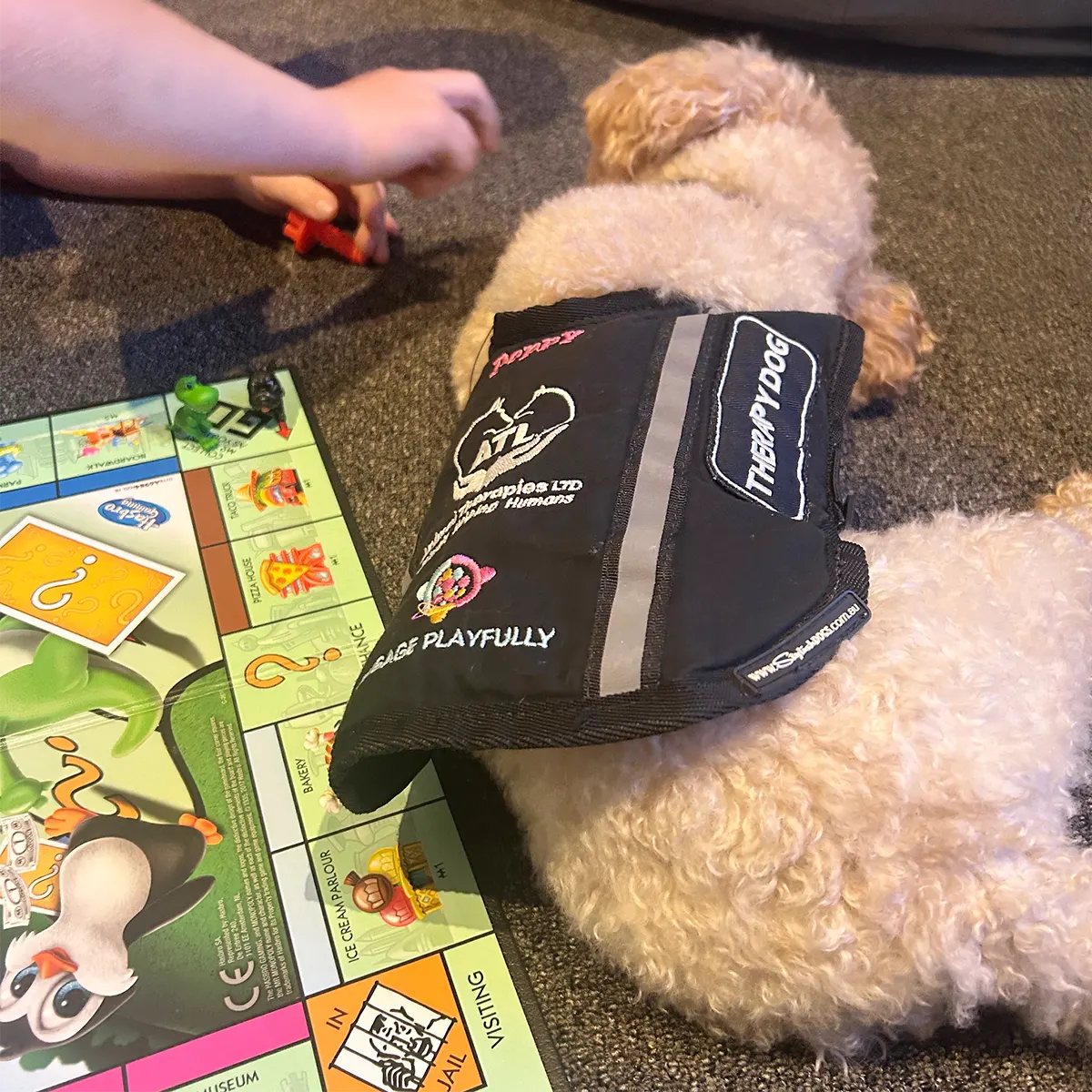
Holistic Development
This approach supports emotional, social, behavioural, and relational growth, promoting overall wellbeing across home, school, and community settings.

Our Commitment
Engage Playfully is dedicated to:
- Trauma‑informed, neurodiversity‑affirming practice
- Ethical and welfare‑focused integration of therapy animals
- Respect for each child’s autonomy, identity, and voice
- Collaborative communication with families and schools
- Evidence‑based therapeutic frameworks
Get in Touch
If you’d like to learn more about our 1:1 Animal‑Assisted Child‑Led Play Therapy sessions or discuss whether this approach is right for your child, we’re here to help.